August 18, 2026
Modern architectural design and structural engineering continuously demand advanced materials that blend exceptional physical strength, lightweight versatility, thermal performance, and long-term durability. Among the diverse technical innovations shaping modern building practices, fiberglass stands out as a transformative composite material across commercial, industrial, and residential sectors. Formed by weaving fine glass fibers into reinforced polymer matrices, this resilient composite provides architects and general contractors with versatile structural alternatives to traditional timber, heavy concrete, and structural steel. Navigating contemporary building codes requires structural components capable of withstanding environmental stress while optimizing energy consumption and interior human comfort. Utilizing composite glass reinforcement enables design teams to create efficient building envelopes that reduce overall structural dead loads while extending facility lifespans.
Beyond structural framing and exterior wall assemblies, glass fiber applications excel in refining interior environments by controlling environmental sound reflection and thermal heat transfer. Architectural interiors require thoughtful balance between modern open-space design and functional sound management to foster productive, healthy indoor environments. According to Grand View Research, the U.S. dominated the North America ceiling tiles market with the largest revenue share of 82.75% in 2024. Integrating high-performance interior treatments manufactured from glass fiber matrices empowers commercial property developers to craft quiet, acoustically balanced interior spaces that meet demanding aesthetic and environmental specifications.
Enhance Structural Tensile Strength
Fiberglass-reinforced composites deliver remarkable tensile strength capabilities that rival conventional structural metals while maintaining a significantly lighter physical mass. By embedding continuous glass filaments into thermosetting resin binders, manufacturers create structural profiles, rebar substitutes, and load-bearing panels capable of enduring immense mechanical stress without deforming or fracturing. This elevated strength-to-weight ratio simplifies jobsite logistics, lowers transportation fuel requirements, and streamlines material handling for construction crews.
Furthermore, integrating glass fiber reinforcement into concrete structural elements prevents tensile micro-cracking caused by thermal expansion, heavy load impacts, and seismic ground shifts. Structural engineers frequently specify composite rebar in bridge decks, marine retaining walls, parking garages, and high-rise foundation slabs exposed to harsh operating conditions. Replacing traditional steel rebar with glass composite alternatives eliminates internal corrosion risks, ensuring long-term structural integrity and prolonging infrastructural service life without requiring frequent costly structural repairs or routine maintenance interventions.
Improve Thermal Insulation Performance
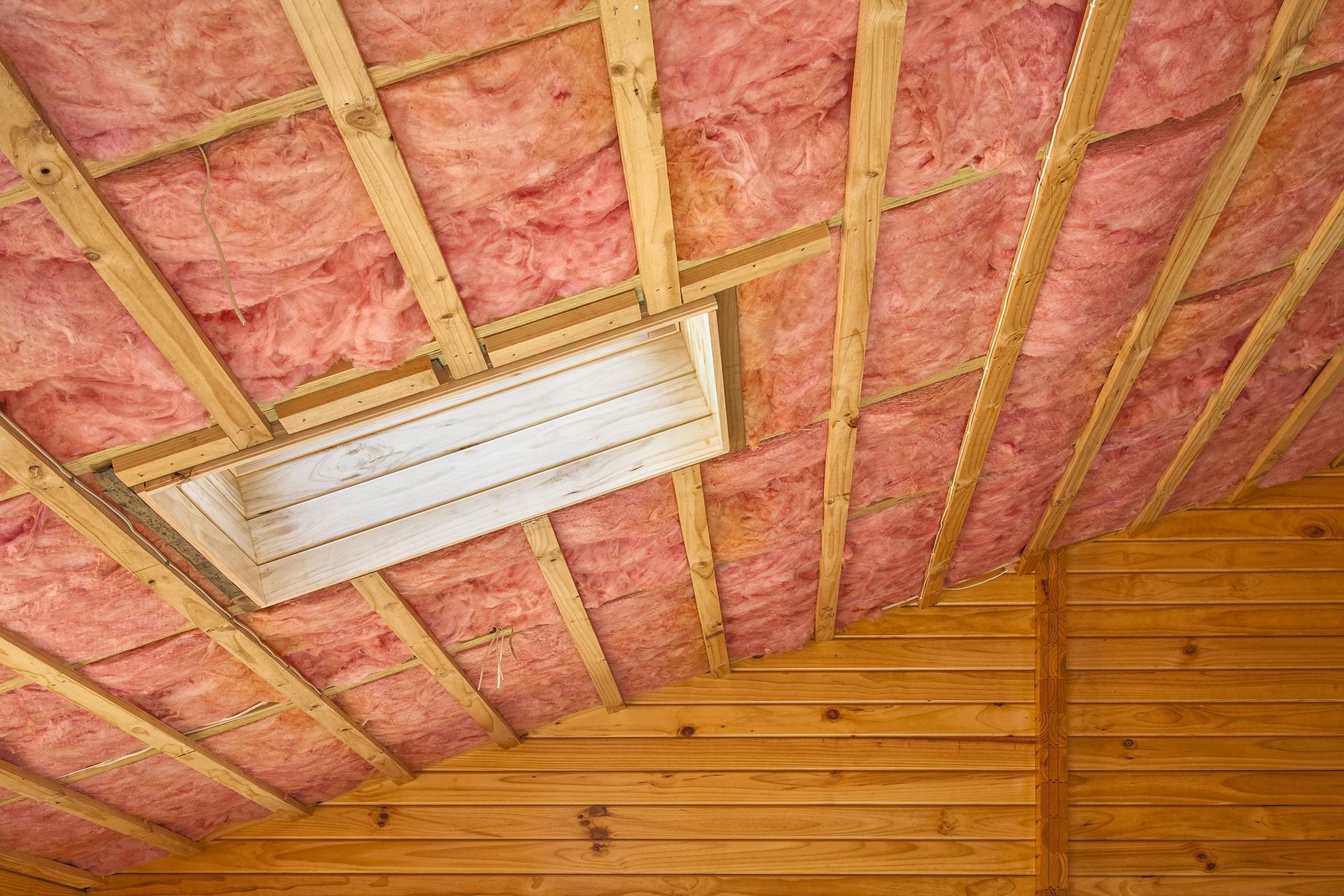
Thermal management remains a central priority for modern building envelopes designed to lower operational heating and cooling energy demands. Glass fiber insulation materials feature intricate networks of micro-air pockets that trap air molecules, dramatically reducing convective and conductive heat transfer through exterior walls, attics, and subfloor spaces. Combining these thermal barriers with reflective acoustic ceiling panels creates highly insulated interior envelopes that stabilize room temperatures and absorb unwanted operational noise simultaneously.
Additionally, composite insulation products exhibit superior moisture resistance when paired with proper vapor barriers, preventing thermal performance degradation caused by ambient humidity or liquid water intrusion. Unlike organic insulation options susceptible to sagging, compaction, or biological rot over time, glass fiber insulation retains its physical volume, structural loft, and insulating values across decades of continuous service. Property owners benefit from permanent energy savings, predictable indoor climate stability, and reduced long-term mechanical maintenance expenses.
Boost Interior Acoustic Absorption
Managing ambient noise levels and reverberation times represents a vital acoustic challenge in open-plan corporate offices, educational institutions, healthcare facilities, and commercial entertainment venues. Glass fiber cores offer exceptional sound absorption characteristics by capturing airborne sound waves within dense, porous fiber matrices and converting acoustic kinetic energy into harmless thermal energy. Specifying high-density acoustic ceiling panels across high-traffic interior spaces effectively minimizes echo, controls background noise, and enhances speech intelligibility for occupants.
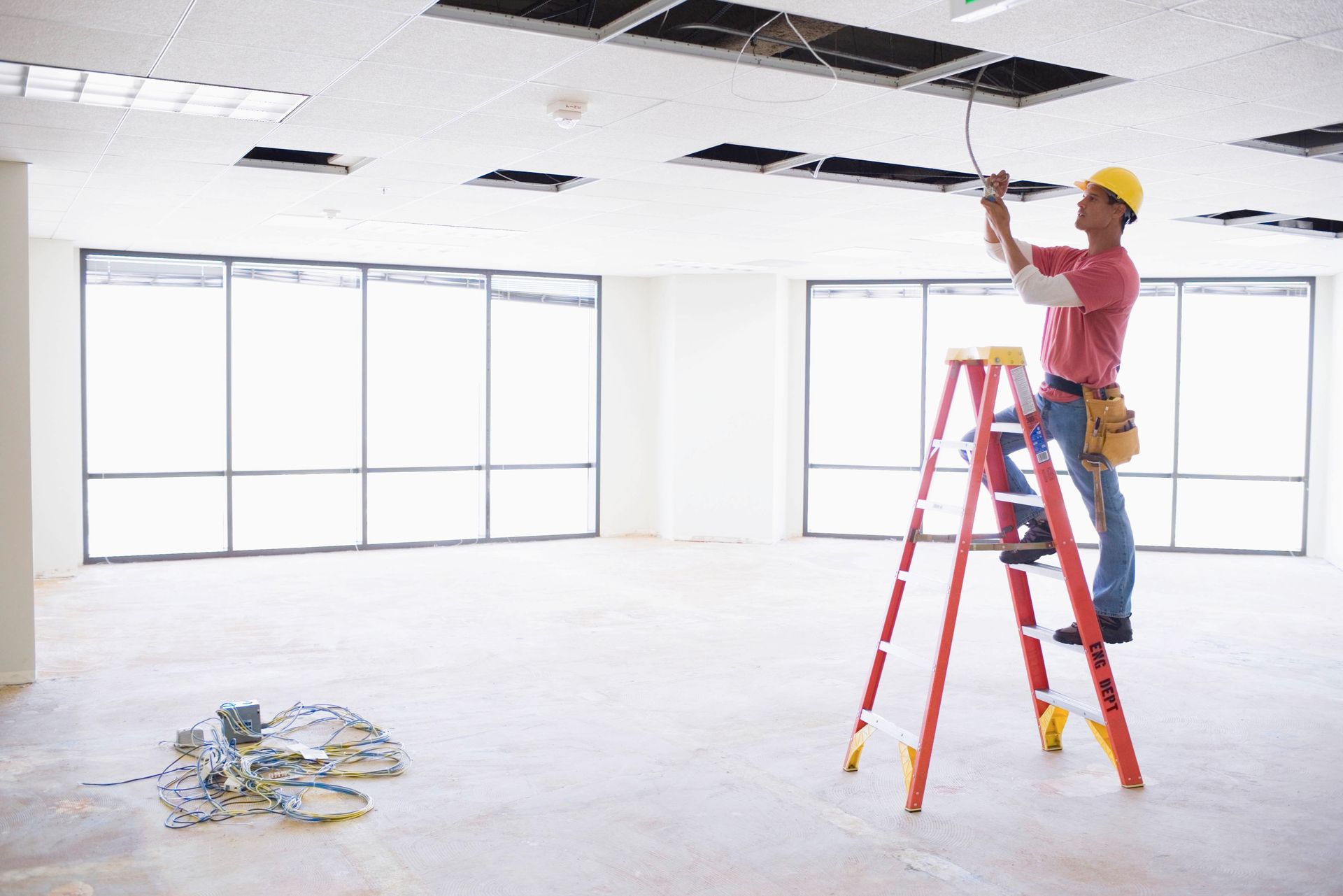
Interior architects routinely incorporate specialized ceiling systems to meet stringent municipal acoustic comfort regulations and professional wellness design certifications. Installing customized acoustic ceiling panels creates serene interior environments that reduce workplace stress, elevate student concentration in academic classrooms, and maintain patient privacy within healthcare settings. Furthermore, lightweight acoustic ceiling panels offer design flexibility, seamlessly integrating with modern recessed illumination fixtures, HVAC diffusers, and fire suppression sprinklers without compromising structural ceiling frames.
Resist Environmental Corrosion Threats
Corrosion represents a severe long-term threat to structural integrity, particularly in industrial facilities, coastal structures, wastewater treatment plants, and chemical storage sites. Traditional metallic structural elements degrade rapidly when exposed to saltwater spray, corrosive industrial airborne vapors, acidic rainwater, or chemical cleaning solutions. Glass fiber composites are inherently non-metallic and chemically inert, offering total resistance to chemical oxidation, rust, and electro-chemical degradation.
Utilizing glass fiber grating, structural beams, handrails, and wall panels eliminates the need for repeated protective painting, chemical anti-rust treatments, or routine metallic component replacements. Infrastructure constructed with composite materials maintains structural integrity and aesthetic appeal despite continuous exposure to harsh weather elements or aggressive industrial fluids. Consequently, facility operators experience dramatically lower lifetime operating costs, reduced maintenance downtime, and enhanced jobsite safety conditions for operational personnel.
Elevate Building Fire Resistance
Fire safety remains an indispensable consideration in architectural design, demanding structural materials that resist flame spread, structural collapse, and hazardous smoke generation during emergency fire incidents. Manufactured from naturally inorganic silica sand, glass fiber matrices are inherently non-combustible and maintain structural stability across high temperature thresholds. Incorporating glass fibers into wallboards, ceiling assemblies, and structural claddings enhances overall passive fire protection systems throughout modern commercial complexes.
During intense thermal exposure, composite materials reinforced with glass fibers act as thermal barriers, delaying flame penetration through structural partitions and preserving structural framing. Wall assemblies and acoustic ceiling panels utilizing dense glass fiber substrates meet rigorous commercial fire ratings, providing crucial extra evacuation time for building occupants and emergency responders. Furthermore, non-combustible glass fiber products emit minimal toxic smoke or volatile gases when exposed to intense heat, significantly improving interior safety during emergency evacuations.
Adopt Sustainable Construction Materials
Sustainable building design emphasizes resource efficiency, material durability, waste minimization, and reduced life-cycle environmental impacts. Fiberglass components contribute significantly to green building certification programs by incorporating post-consumer recycled glass content into manufacturing processes, reducing raw resource extraction and diverting waste glass from municipal landfills. Furthermore, the lightweight nature of composite products lowers overall fuel consumption during global shipping and localized jobsite delivery.
Beyond manufacturing advantages, the extraordinary durability of composite products supports sustainable design by extending overall facility lifespans and reducing building material replacement frequencies. Specifying sustainable acoustic ceiling panels and composite insulation materials improves thermal envelope efficiency, lowering operational energy demands across decades of building occupancy. Selecting recyclable, durable glass fiber solutions aligns modern commercial real estate development with circular economy principles, sustainable interior design goals, and long-term environmental stewardship.
Fiberglass has firmly established itself as an indispensable composite material across modern construction applications, driving significant advancements in structural integrity, thermal insulation, acoustic comfort, corrosion resistance, and sustainable design. From high-strength structural rebar to high-performance interior treatments, glass fiber composites provide versatile solutions that address complex architectural and engineering challenges. As the construction industry continues prioritizing structural efficiency, occupant wellness, and long-term environmental sustainability, composite material innovations will remain at the forefront of modern architectural evolution.
At Acoustics By Washburn LLC, we stand dedicated to elevating interior environments with premium acoustic, thermal, and architectural material solutions tailored to your unique commercial and residential needs. Our experienced team brings unmatched craftsmanship, technical expertise, and personalized service to every project, ensuring your spaces achieve optimal sound control, visual elegance, and lasting structural quality. Whether you are designing a modern corporate office, an educational facility, or a specialized commercial venue, we deliver superior results that exceed expectations. Contact us today to discuss your architectural vision and discover how our specialized interior solutions can transform your space.