February 26, 2026
Choosing the right ceiling material is essential for both the functionality and aesthetics of a space. From traditional plaster and lath to modern drywall and versatile drop ceilings, each option offers unique benefits in durability, appearance, acoustic performance, and moisture resistance. Understanding the characteristics, installation requirements, and maintenance needs of these materials allows homeowners, designers, and contractors to make informed decisions. By evaluating material types alongside factors such as sound control, moisture tolerance, and cost, you can select the ceiling solution that best suits your space and long-term goals.
Understanding Ceiling Material Types
Traditional plaster and lath ceiling panels are time-honored options known for their durability and classic aesthetics. Originating in the early architectural period, these ceilings involve a framework of wooden laths, over which multiple layers of wet plaster are applied. Although labor-intensive, the result is a robust surface with excellent soundproofing capabilities. However, these ceilings can crack over time, requiring maintenance to preserve their appearance. In older homes or those designed to emulate historical styles, plaster and lath ceilings offer authentic charm and elegance.
The installation process for plaster and lath is both an art and a skill, often necessitating professional craftsmanship. This complexity adds to the installation cost, making it less popular in modern construction. Yet, the finished product provides a seamless appearance that drywall cannot match. Restoration of existing plaster and lath can revive the historical essence of a property. This method is particularly prevalent in European architecture, where heritage value is highly regarded.
Gypsum board, commonly known as drywall, is one of the most prevalent ceiling materials used in modern construction. Its widespread use is attributed to its cost-effectiveness, availability, and ease of installation. Drywall comprises a gypsum core sandwiched between two layers of paper, making it lightweight yet sturdy. It provides a smooth, even surface ideal for painting or applying wall coverings. The versatility of drywall allows for its use in various settings, from residential to commercial properties.
Drywalls are highly adaptable and can be cut to fit any space, making them a preferred choice for ceiling panels. This flexibility means they can accommodate a wide range of interior designs without extensive modification. However, drywall may lack the sound insulation properties found in more substantial materials. Soundproof variants are available, although they tend to be pricier. Proper sealing and maintenance are essential to prevent moisture damage, especially in areas prone to humidity.
Though drywall is favored for its initial affordability, it requires occasional upkeep to maintain its condition and appearance. It can be vulnerable to dents and nicks from impacts, necessitating repairs over time. In contrast to more durable materials, drywall is a less permanent solution but offers excellent adjustability and rapid installation. The ability to accommodate different finishes makes drywall suitable for DIY enthusiasts and professionals alike. Despite these factors, it remains one of the most efficient materials for ceiling panels.
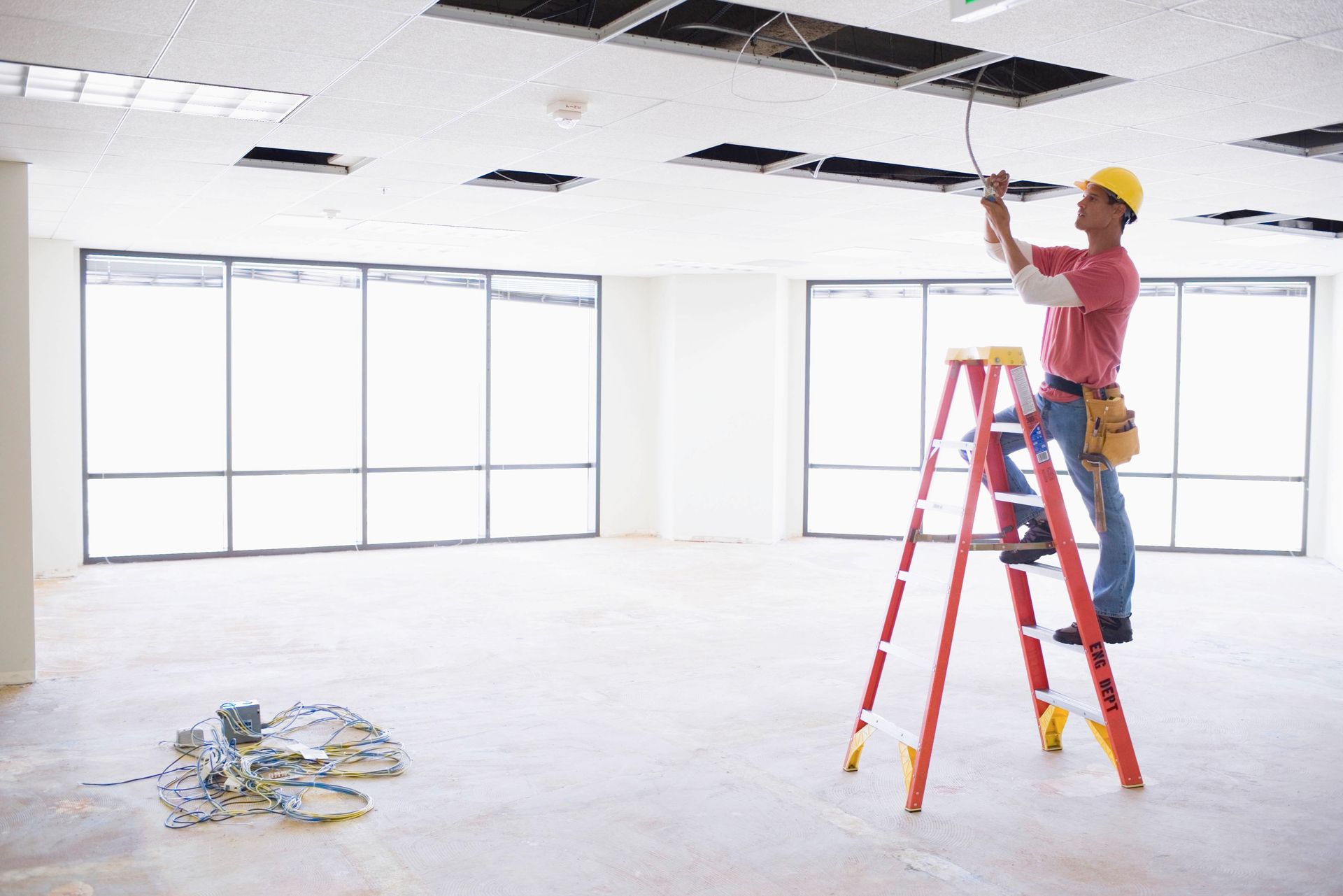
Drop ceilings, also known as suspended ceilings, have gained popularity in non-residential settings due to their practicality and versatility. These ceilings consist of a metal grid suspended from the structural ceiling with removable tiles that fit snugly into the framework. Drop ceilings are advantageous for their ability to conceal wiring, ductwork, and pipes, providing a clean, uniform appearance. They can be easily modified to incorporate lighting and ventilation systems, enhancing the functionality of commercial spaces.
Factors to Consider in Ceiling Material Selection
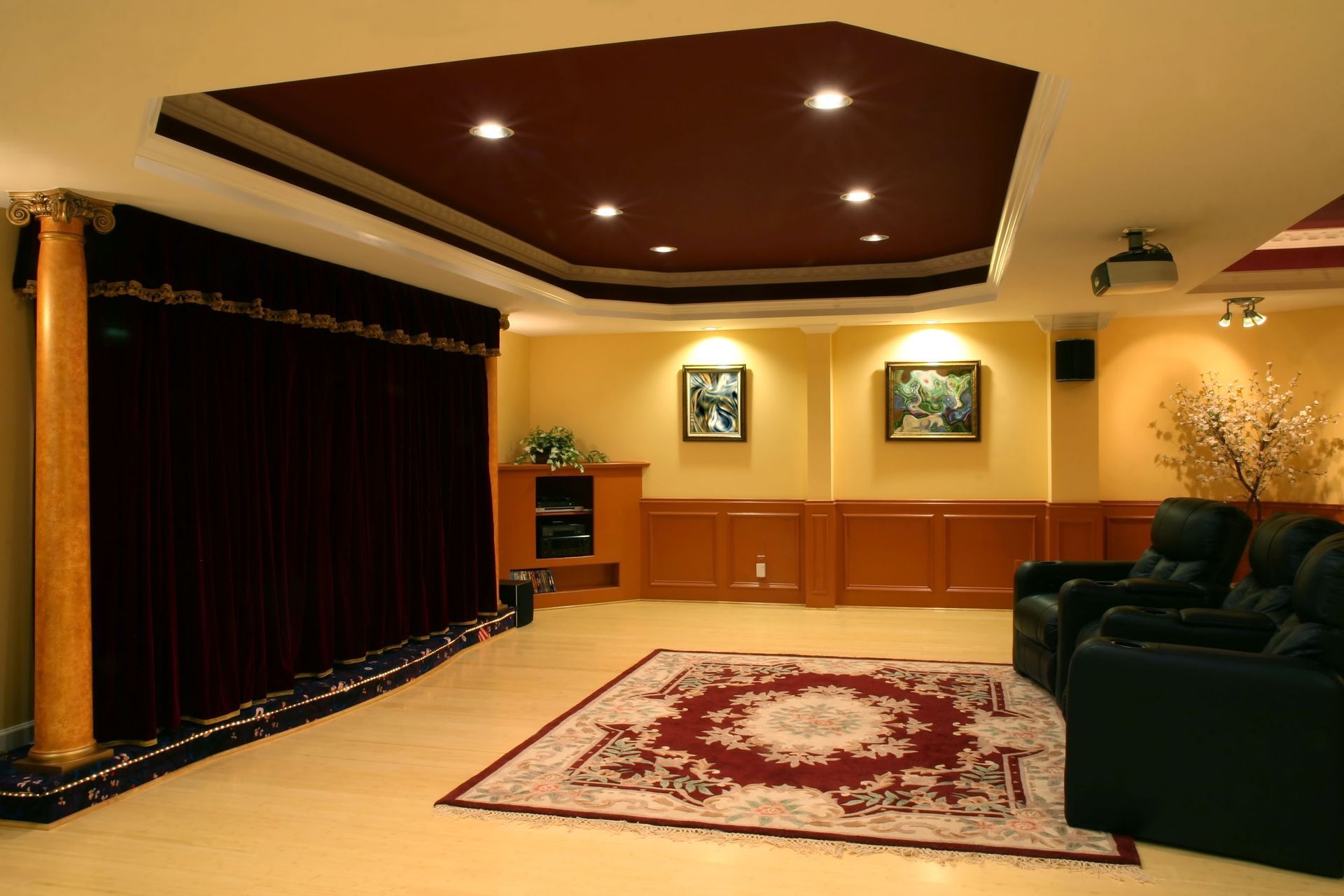
Acoustic performance is a critical consideration when selecting ceiling materials, especially in settings where sound control is paramount. The material's ability to absorb or reflect sound significantly impacts the acoustics of a room. For instance, wood and certain types of tiles offer excellent sound absorption, making them suitable for theaters and concert halls. Conversely, metal ceilings tend to reflect sound, which can create echo if not managed with additional acoustic treatments. Understanding the acoustic needs of a space ensures a conducive environment, whether for learning, productivity, or relaxation.
Different materials provide varying acoustic benefits that resonate well with specific applications. In educational institutions, where concentration is key, ceilings with high sound absorption can significantly boost academic performance. Similarly, in open-plan commercial spaces, controlling noise levels becomes imperative to maintain employee productivity and privacy. Ceiling tiles designed with sound attenuation features can enhance speech clarity by minimizing reverberation. While some spaces benefit from quietude, others may require a balance, crafting a lively yet intelligible ambience.
Advancements in acoustic technology have led to innovative solutions that cater to modern architectural needs. These solutions incorporate materials that address bass traps, sound dampening, and noise transference between rooms. Coordinating ceiling choices with flooring and wall materials can further optimize acoustic performance. Consulting with acoustical engineers during the design phase ensures that ceiling materials align with the functional demands of the space. As such, the chosen ceiling panels material plays a pivotal role in the sonic experience, supporting user comfort and communication.
Moisture resistance is a paramount factor in ceiling material selection, particularly in environments prone to humidity or water exposure. Bathrooms, kitchens, and basements, where moisture levels are typically high, require materials that can withstand such conditions without degradation. Gypsum boards treated with moisture-resistant properties or the use of specialized moisture-barrier paints can offer protection in these scenarios. In areas prone to frequent water contact or leaks, materials like PVC or certain types of metal ceiling panels can provide superior protection and longevity.
Advanced materials and coatings now offer enhanced resistance to moisture, expanding options for designers and builders working in challenging environments. Polished or sealed finishes applied to wood or other susceptible materials can augment their resilience to water. Additionally, improved ventilation systems aid in maintaining appropriate humidity levels, thereby extending the lifespan of the chosen ceiling materials. With careful consideration of moisture dynamics, spaces like indoor swimming pools or laundry areas can achieve long-term functionality without compromising style or sustainability.
Evaluating Costs of Ceiling Materials
Initial material costs are a vital consideration in ceiling panels material selection, influencing overall project budgeting and resource allocation. Prices typically vary based on the type of material, brand, and regional availability, with options ranging from cost-effective gypsum boards to premium wood or metal variants. It's crucial for budget planning to include both the basic cost of materials and supplementary features or treatments such as moisture resistance or fire retardation. The upfront cost landscape is diverse, catering to economic constraints while accommodating aesthetic and functional aspirations.
Methods to maintain control over initial ceiling panels material costs may include bulk purchasing or forming partnerships with suppliers for discounted rates. Comparing price points across similar material categories helps validate choices against set budget expectations. Furthermore, industry trends and gross material demands—such as the critical commercial sector, according to Freedonia Group, which accounts for 88% of US ceiling demand—can influence market prices and availability. Consequently, understanding these dynamics informs forward-trending expectations and planning flexibility.
Ultimately, discerning homeowners, designers, and contractors often employ a cost-benefit analysis approach, weighing material price against desired longevity and performance attributes. While high-end materials may demand higher upfront investment, their durability, aesthetic value, and reduced maintenance over time can equate to economic advantages in long-term projections. Thus, evaluating initial costs should be part of a comprehensive strategy that matches immediate expenditure with future savings and benefits, aligning with overarching project goals. Don’t leave these decisions to chance—consult Acoustics By Washburn LLC today to explore your options and secure the perfect material for your project.