March 4, 2026
Sound quality plays a critical role in how people experience a space, whether it’s a home, office, classroom, or commercial environment. Ceiling acoustics are often overlooked, yet they significantly influence noise levels, speech clarity, and overall comfort. Understanding how ceilings affect sound helps property owners create spaces that are both functional and pleasant.
Understanding How Sound Behaves Indoors
Sound travels through the air as waves and interacts with surfaces such as walls, floors, and ceilings. Hard, reflective surfaces cause sound waves to bounce around, leading to echo, reverberation, and noise buildup. In contrast, soft or absorptive materials reduce sound reflections and help control how sound behaves within a room.
Ceilings play a unique role because they typically span the largest uninterrupted surface area in a space. When sound waves hit the ceiling, they either reflect back into the room or are absorbed, depending on the materials used.
Identifying Common Acoustic Challenges
Poor ceiling acoustics can create a variety of problems that impact daily activities. Excessive echo makes conversations difficult, while high background noise levels can cause fatigue and stress. In offices, this can reduce productivity, and in classrooms, it can hinder learning and comprehension.
Large rooms with high ceilings are especially prone to acoustic issues. Without proper treatment, sound can linger and overlap, creating an overwhelming auditory environment. Installing acoustic ceiling panels is one of the most effective ways to address these challenges, as they are designed specifically to absorb sound and reduce reverberation.
Improving Speech Clarity and Communication
Clear communication is essential in nearly every type of space, from conference rooms to restaurants. Ceiling acoustics significantly influence how well speech travels and how easily it can be understood. Poor acoustics can cause speech to blur, forcing people to speak louder and straining conversations.
By incorporating acoustic panels, spaces can achieve better speech intelligibility. These panels absorb excess sound energy, preventing it from bouncing uncontrollably. As a result, voices sound clearer and more natural, improving communication and reducing the need for raised voices.
Reducing Noise and Echo Effectively
Noise control is one of the primary goals of acoustic design. Echo and reverberation can make even moderate noise levels feel overwhelming. This is particularly problematic in open-plan offices, gyms, and public spaces where multiple sound sources are present.
Ceiling treatments play a key role in noise reduction because they intercept sound waves early in their path. Acoustic ceiling panels help minimize echo by absorbing sound before it reflects back into the room.
Enhancing Comfort and Well-Being
Excessive noise is not just an inconvenience; it can also impact physical and mental well-being. Prolonged exposure to noisy environments may lead to headaches, fatigue, and increased stress levels. Comfortable acoustics contribute to a sense of calm and improve overall quality of life.
Ceiling acoustics help regulate background noise, making spaces more pleasant to occupy for extended periods. In residential settings, this can enhance relaxation, while in commercial environments, it supports customer satisfaction and employee morale.
Supporting Productivity in Work Environments
In offices and workspaces, sound quality directly affects concentration and efficiency. Distracting noise can interrupt workflow, reduce focus, and increase errors. Ceiling acoustics are especially important in open offices where sound travels freely between workstations.
Installing acoustic panels helps absorb ambient noise and reduce sound transmission across the room. This creates quieter zones where employees can focus without constant auditory distractions. Improved acoustics also reduce the need for noise-canceling devices or makeshift solutions.
Creating Better Learning Environments
Classrooms and educational facilities depend heavily on clear sound for effective teaching. Students need to hear instructions clearly without interference from echo or background noise. Poor ceiling acoustics can significantly impact comprehension, especially for younger students or those with hearing difficulties.
Ceiling treatments designed for sound absorption help ensure that speech remains clear throughout the room. Acoustic ceiling panels are commonly used in schools because they balance sound control with durability and ease of maintenance.
Enhancing Entertainment and Performance Spaces
The role of ceiling acoustics becomes even more critical in theaters, auditoriums, and performance venues. These spaces require precise sound control to ensure that music and speech are delivered as intended. Excessive reverberation can distort sound, while overly absorptive environments may feel flat and lifeless.
Carefully selected ceiling materials help achieve the right balance. Acoustic ceiling panels can be used strategically to manage reflections without eliminating natural resonance. This allows performances to sound rich and immersive while maintaining clarity for the audience.
Supporting Design Flexibility and Aesthetics
Modern acoustic solutions are designed to complement a wide range of architectural styles. Ceiling acoustics no longer require sacrificing visual appeal for functionality. Today’s materials offer various textures, colors, and patterns that integrate seamlessly into interior design.
Acoustic ceiling panels provide both sound control and aesthetic versatility. Designers can use them to enhance visual interest while improving acoustics. This flexibility makes ceiling treatments suitable for everything from minimalist offices to decorative commercial interiors.
Adapting to Different Space Requirements
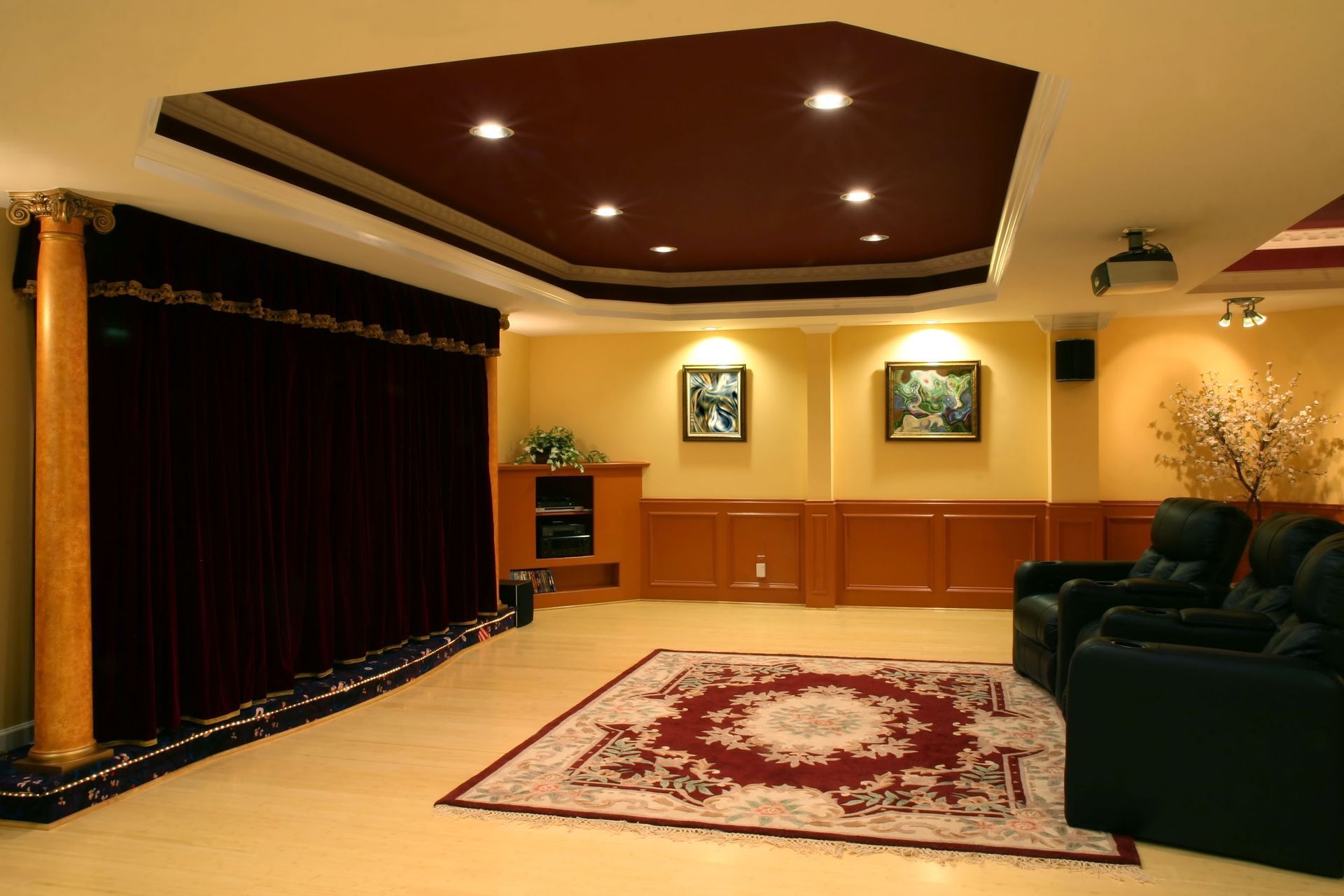
Every space has unique acoustic needs based on its size, function, and occupancy. A home theater, for example, requires different sound control than a hospital corridor or retail store. Ceiling acoustics allow for customized solutions that align with specific use cases.
By selecting the appropriate materials and configurations, ceilings can be optimized for each environment. Acoustic panels are available in various absorption ratings, making it easier to tailor sound control to the room’s purpose. This adaptability ensures consistent sound quality across diverse settings.
Understanding Industry Growth and Demand
The growing focus on comfort, productivity, and design has increased demand for acoustic solutions. According to Freedonia Group, US demand for ceiling products is forecast to rise 2.1% per year to $2.7 billion, reaching 1.6 billion square feet in 2028. This growth highlights the importance of ceilings in modern construction and renovation projects.
As awareness of sound quality increases, more property owners are investing in ceiling acoustics. This trend reflects a broader understanding that acoustic comfort is just as important as lighting, temperature, and aesthetics. Ceiling solutions continue to evolve to meet these expectations.
Improving Energy and Environmental Performance
Some ceiling acoustic materials also contribute to energy efficiency and sustainability. Certain products provide thermal insulation alongside sound absorption, helping regulate indoor temperatures. This dual functionality supports energy savings and environmental responsibility.
Acoustic panels are often manufactured using recycled materials and designed for long-term durability. Their ability to improve both acoustics and efficiency makes them a practical choice for environmentally conscious projects. Sustainable ceiling solutions align with modern building priorities.
Preventing Long-Term Acoustic Issues
Ignoring ceiling acoustics during design or renovation can lead to persistent sound problems that are difficult and costly to fix later. Retrofitting acoustic solutions after construction may require additional time and expense. Proper ceiling planning ensures balanced sound control from the beginning. Acoustic ceiling panels can be integrated during initial construction or major renovations to deliver consistent results. Proactive acoustic design protects long-term comfort and usability.
Ceiling acoustics have a profound impact on sound quality, comfort, and functionality in any space. From improving communication and productivity to enhancing well-being and design flexibility, ceilings play a vital role in acoustic performance. Investing in effective ceiling solutions ensures sound environments that support how people live, work, and interact every day. If you are curious about what roofing materials are best for you, contact Acoustics By Washburn LLC today!