October 29, 2026
In recent years, the renovation industry has witnessed a significant evolution, with contemporary interior design movements exerting a profound influence on the market for structural and decorative surface treatments. As homeowners and commercial designers strive for unique, sustainable, and cost-effective spaces, wall panels have emerged as an exceptionally versatile solution. From residential makeovers to large-scale commercial retrofits, modern property upgrades require materials that combine visual elegance with superior physical performance. Understanding the key architectural shifts driving this sector provides valuable insight into how modern interior design continues to reshape the building products market.
Understanding Current Renovation Trends
The renovation industry has seen a marked shift toward sustainable construction products as environmental awareness grows among consumers and commercial property owners alike. Builders are increasingly opting for eco-friendly choices that minimize carbon footprints without compromising structural integrity or aesthetic appeal. Wall panels crafted from bamboo, reclaimed timber, and recycled composites have become leading options within this movement. Beyond traditional vertical surfaces, designers frequently extend these sustainable materials overhead to incorporate a matching ceiling panel, creating an immersive architectural flow throughout living rooms and corporate spaces. The rapid rise in sustainable renovations directly correlates with heightened interest in renewable interior systems.
Dynamic color palettes and high-contrast geometric patterns are making a powerful comeback as interior trends embrace expressive, highly personalized styles. Property owners seek to create vibrant feature areas that showcase individual personality, leading to a surge in textured, dimensional paneling. These manufactured systems offer the precise structural consistency needed to experiment with bold visuals without committing to time-consuming, permanent masonry work. This preference for striking visual impact extends to overhead surfaces, where an accent ceiling panel can dramatically alter room depth and proportions. Commercial venues frequently leverage these eye-catching geometric configurations to establish distinct visual brand identities across retail floors and hospitality venues.
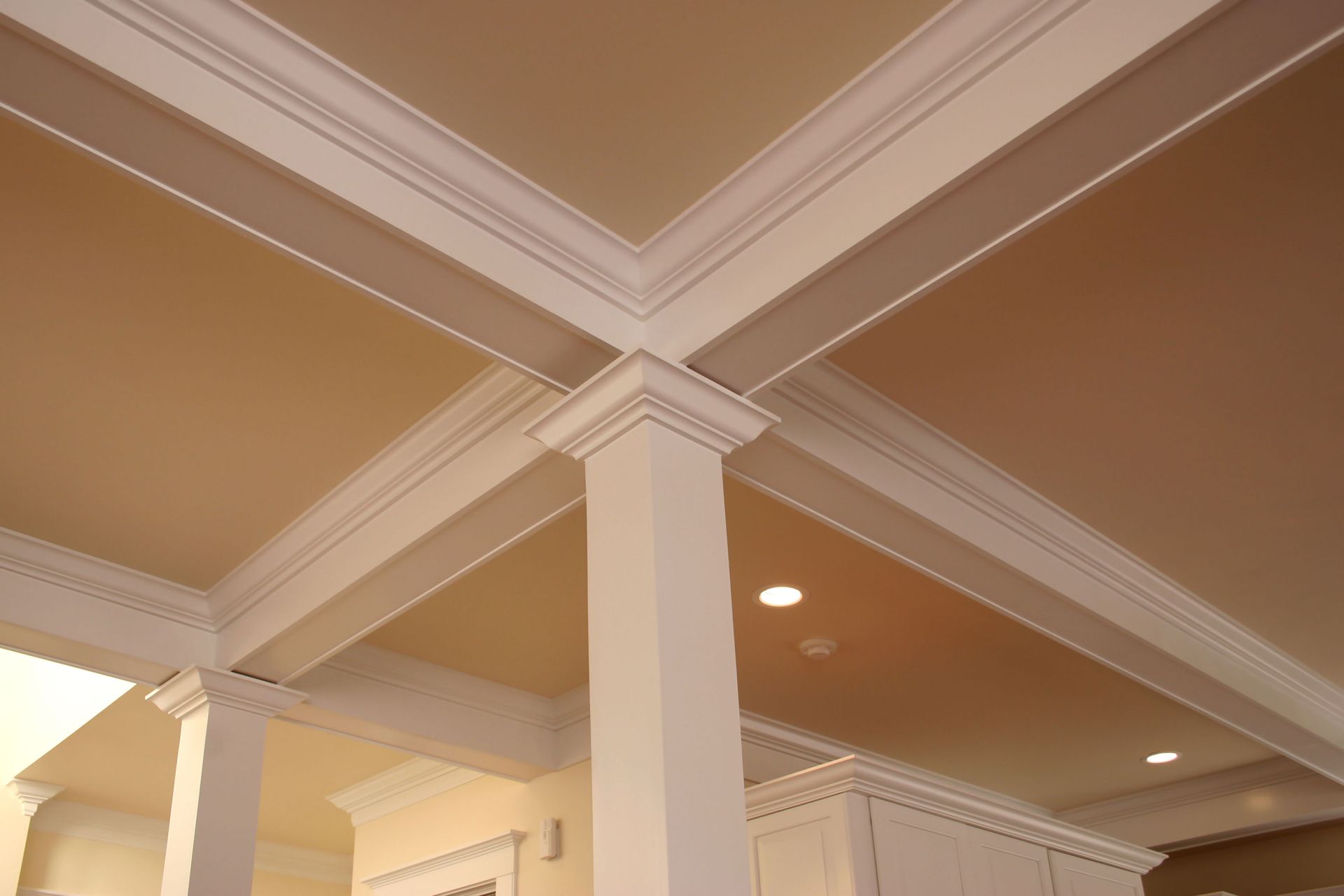
Minimalism remains a dominant force across modern residential and commercial renovations worldwide. The enduring appeal of minimalist design lies in its emphasis on clean geometry, unobstructed sightlines, and functional simplicity that elevates quality over sheer volume. Smooth, modular panel systems are essential to achieving this streamlined aesthetic, delivering crisp vertical joints and concealed fastening methods. By pairing simple vertical wall systems with a smooth, flush-mounted ceiling panel, architects create uncluttered interiors that promote a sense of calm and spatial balance. The modular nature of these panel products provides the adaptability required to maintain a minimalistic look while easily accommodating future spatial reconfigurations.
Technological integration is revolutionizing how interior spaces are conceived, built, and utilized. Modern renovation projects routinely feature smart infrastructure designed to enhance daily convenience and operational efficiency, with manufactured paneling doubling as an elegant enclosure for hidden systems. Modern panels host embedded LED strip channels, integrated sensor arrays, and touch-sensitive smart controls that interface directly with automated home systems. Extending these technological features upward, a specialized ceiling panel can house ambient lighting grids, hidden speakers, and micro-ventilation ports without interrupting room aesthetics. This seamless blend of structural craftsmanship and digital utility makes modular paneling highly desirable for tech-focused property upgrades.
Personalization sits at the very center of contemporary renovation projects, as occupants demand living environments customized to their precise daily routines and aesthetic tastes. Wall and ceiling fabrications cater to this demand by offering extensive customization options in material, color, finish, and tactile texture. Property owners gain complete creative freedom to mix warm natural timber tones with sleek metallic accents across various interior planes. This drive toward bespoke design is equally strong in the commercial sector, where corporate offices use tailored panel configurations to reinforce brand values. Personalization reinforces the vital role of modular paneling as both a highly practical building material and a refined artistic canvas.
The Role of Wall Panels in Modern Interiors
The sheer visual versatility of modular paneling makes it an ideal choice across a wide spectrum of interior design concepts. From rustic reclaimed wood looks to sleek contemporary minimalism, panel systems adapt effortlessly to any architectural narrative. This flexibility is particularly advantageous during major property retrofits, where a complete stylistic transformation must be achieved without executing heavy structural alterations or demolition. Whether replacing outdated drywall or installing an acoustic ceiling panel to complete a room design, updating paneling yields immediate aesthetic transformations. This adaptability maximizes long-term property value by allowing straightforward cosmetic updates as design trends evolve.
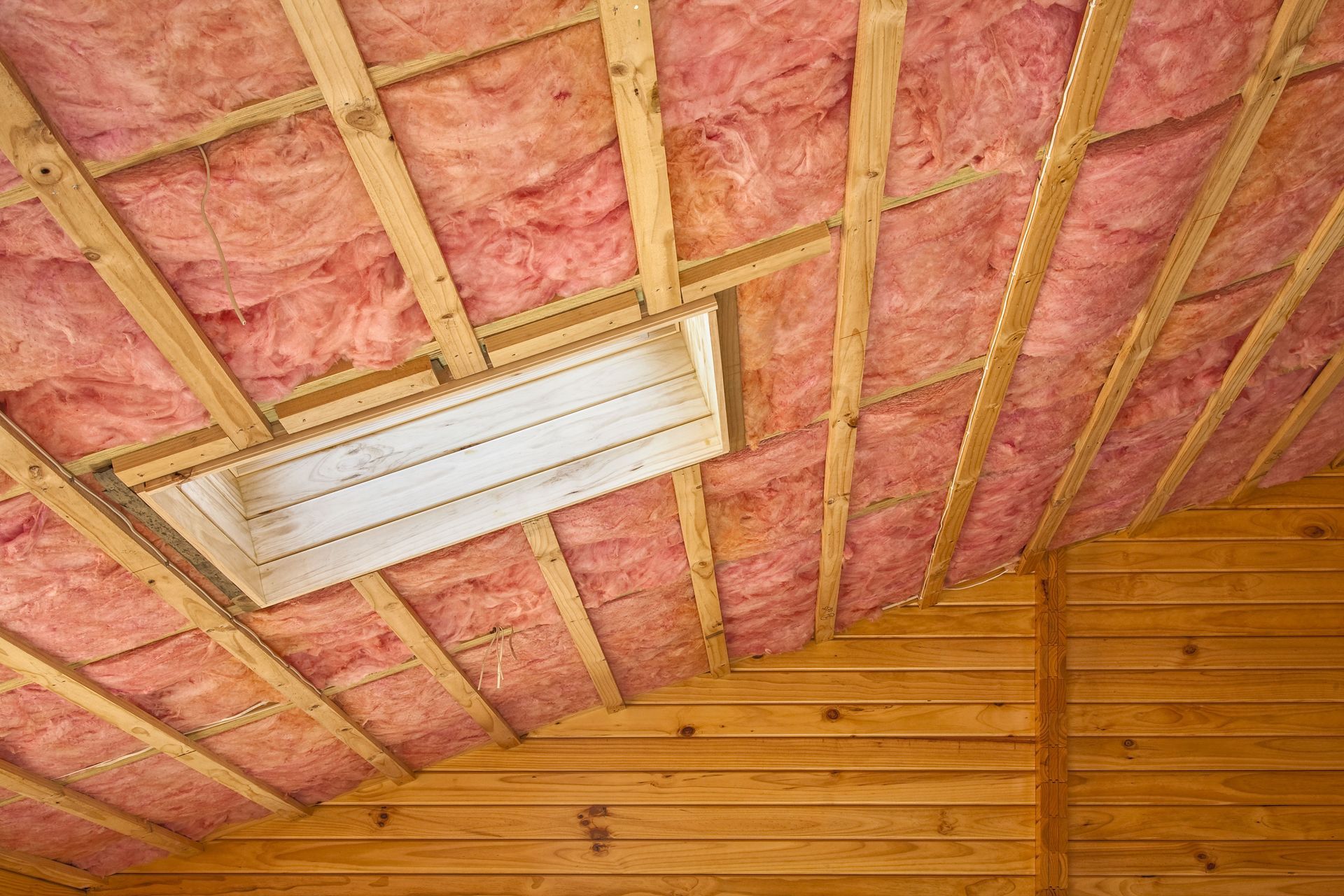
Beyond purely visual benefits, advanced paneling delivers substantial functional performance regarding thermal insulation and acoustic control. Engineered panels act as an additional thermal barrier along exterior-facing walls, stabilizing indoor temperatures and contributing directly to lower heating and cooling expenditures. In dense residential buildings, multi-family complexes, and noisy office settings, specialized acoustic paneling dramatically reduces sound transmission across adjacent rooms. Mounting an acoustically dampening ceiling panel overhead works in tandem with vertical treatments to eliminate reverberation and optimize speech clarity. As these functional benefits gain widespread recognition, consumer demand for advanced interior paneling continues to accelerate rapidly across all market segments.
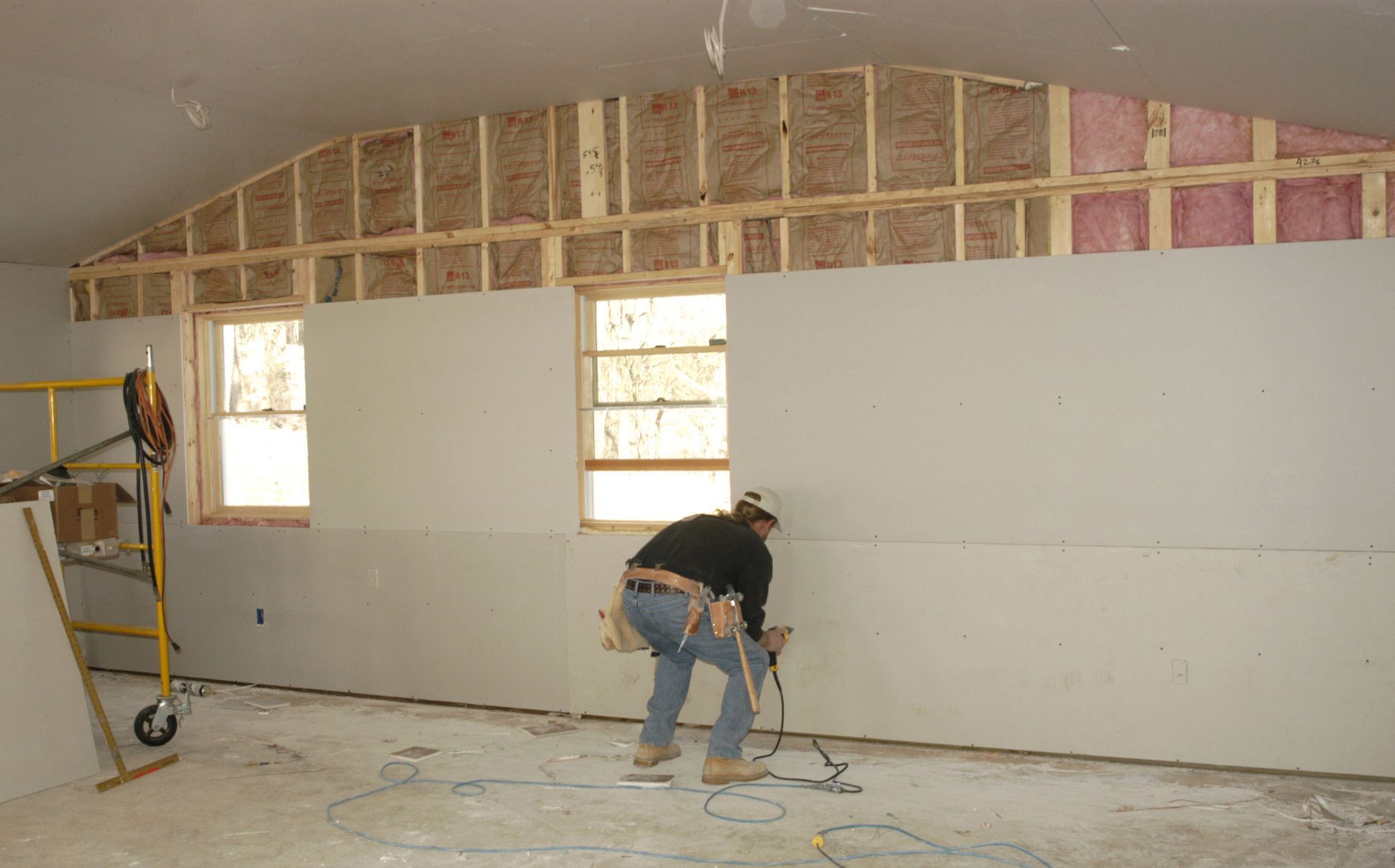
A primary factor driving the popularity of pre-engineered panel systems is their fast, straightforward installation process compared to traditional wet-plaster finishes or intricate tile work. Interlocking tongue-and-groove profiles and concealed clip systems reduce site labor requirements, allowing contractors and skilled DIY enthusiasts to complete projects within tight timelines. Maintenance requirements are similarly minimal, requiring only routine dusting or damp wiping to preserve a fresh, factory-finished appearance over years of daily use. Whether refreshing a high-traffic hallway wall or replacing a damaged overhead ceiling panel, the speed and ease of panel maintenance make it a highly practical option for busy property managers and homeowners.
The rapid rise in environmental awareness has propelled eco-friendly options, such as bamboo, agricultural fiber, and recycled polymers, to the forefront of the building products industry. Sourcing rapidly renewable raw materials reduces deforestation pressures and supports circular manufacturing principles. Bamboo, for example, matures in a fraction of the time required by traditional hardwoods, making it an extraordinary renewable choice for wall finishes and overhead treatments. Integrating these sustainable products into interior spaces satisfies growing consumer demand for healthier, low-VOC indoor environments while actively supporting corporate sustainability commitments and green building practices.
High-density paneling provides exceptional resistance to daily wear, impacts, moisture, and surface abrasion, making it far more durable than traditional drywall or wallpaper. Designed to withstand heavy traffic in commercial corridors, active family homes, and educational facilities, engineered panels preserve their structural integrity over decades. This structural resilience minimizes repair costs and conserves resources by extending the lifespan of interior renovations. When paired with a matching, impact-resistant ceiling panel in utility areas or high-humidity spaces, the entire surface envelope benefits from long-lasting protection, ensuring that property upgrades maintain their pristine appearance and value over time.
Strategic Market Growth and Practical Applications
Market research highlights the solid financial and operational fundamentals supporting the rapid expansion of the panel industry. According to Credence Research, wall panel demand grows as renovation activities increase and softwood wall panels lead the type segment with 41% share, driven by lightweight design and strong residential adoption. This strong growth is further amplified by real estate developers who leverage modular paneling to accelerate turnarounds on multi-family units and commercial spaces. Property owners continuously select these versatile products because they lower overall labor costs while dramatically improving structural durability, indoor environmental quality, and property resale values.
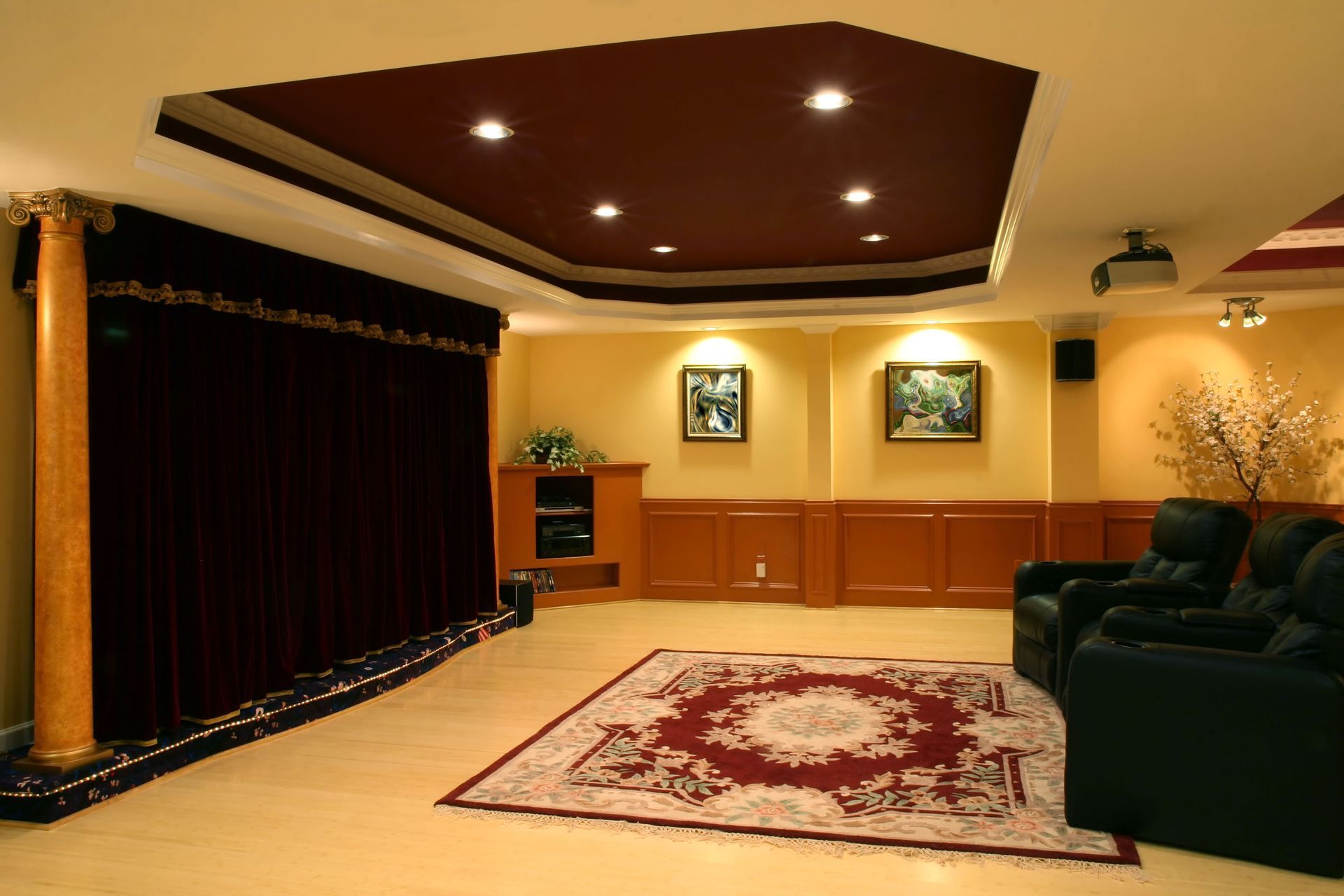
Residential case studies consistently demonstrate the transformative impact of integrated panel systems. Homeowners frequently combine textured vertical accent walls with an acoustically treated ceiling panel to create tranquil home theaters, functional home offices, and luxurious primary bedrooms. In commercial office environments, installing high-performance acoustic paneling reduces background chatter, boosts employee concentration, and establishes a modern, professional atmosphere for visiting clients. From public institutions to boutique hospitality venues, modular surface treatments continue to redefine modern interior design standards. When planning your next commercial or residential interior upgrade, elevate your space with expert acoustic solutions, precision engineering, and premium wall treatments by contacting Acoustics By Washburn LLC.